
And Most Riders Don’t Even Know It Yet
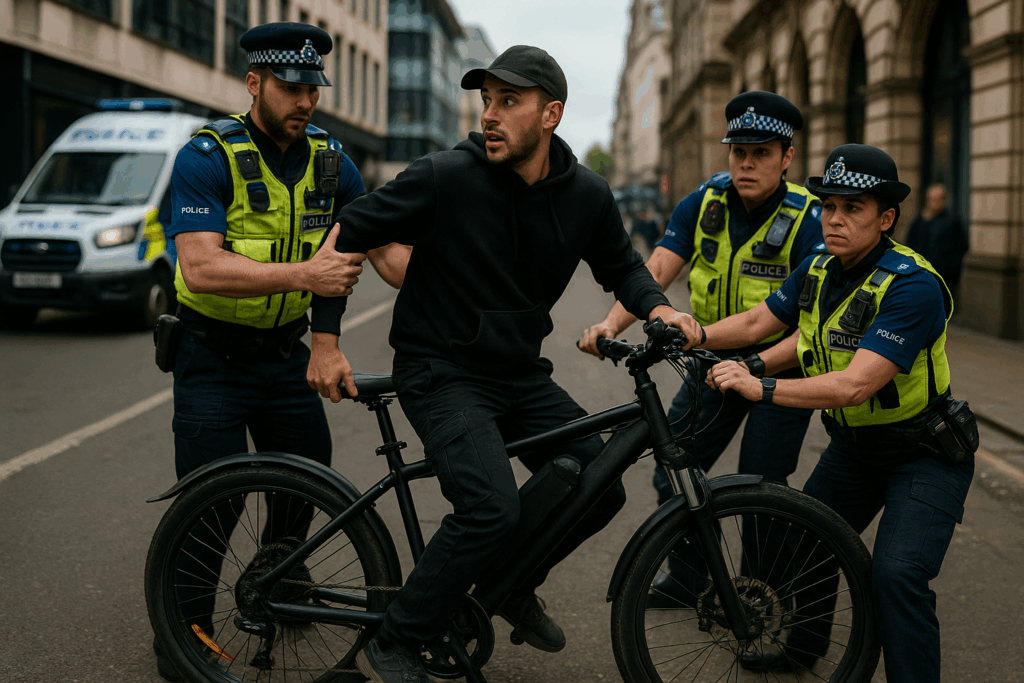
That clip above was filmed in Birmingham — just down the road from me in Wolverhampton. And it shows exactly what’s happening right now in city centres across the country. If you ride an e‑bike, or deliver on one for work, you need to watch out.
Because the police aren’t asking nicely.
They’re not pulling riders over for a quiet word. They’re grabbing people off their bikes as they ride past. No warning. No explanation. If someone doesn’t stop right away, they’re yanked to the ground, shoved into handcuffs, and surrounded by five or six officers ready to pounce.
You can hear riders in some clips shouting “sorry, sorry!”
But by then it’s too late.
In just a few hours, 16 bikes were seized. Most of them delivery riders. All of them classed as illegal. Not because they were weaving recklessly or going 60 mph — just because their bikes went faster than 15.5 mph.
Let’s be clear: that’s nearly every single e‑bike out there right now.
What Makes an E‑Bike Illegal?
Under UK law, if your bike:
- goes faster than 15.5 mph using electric power (throttle or pedal assist),
- has a motor over 250 W,
- or can move without pedalling…
…it’s legally classed as a moped.
That means it needs to be type-approved, registered, insured, and display a number plate. You’re also legally required to wear a helmet and have the correct licence. If you don’t have all that? You’re riding illegally.
⚠️ How to Give Yourself a Fighting Chance in a Police Stop
In both BBC clips, the police follow the same routine:
They lift the back wheel, twist the throttle, and check how fast it spins.
If it takes off like a motorbike? Your bike’s getting seized.
That doesn’t mean setting your top speed to 15.5mph will make your bike legal — it won’t. But in the real world, if your motor behaves like it’s limited when they test it on the spot, you’re far more likely to walk away with a warning or a fine instead of losing your bike altogether.
You don’t need to physically cap it with hardware to do this either. Most controllers have speed settings menu where you can reduce the top speed. That’s what I’ve done with the Ninja — set mine to spin the rear wheel no faster than something that can only spin the wheel 15.5mph with me on it on a flat even surface. If the police test it, it technically should pass a spot check, even if it won’t pass a DVSA test.
It’s not bulletproof. And if you’ve got a dodgy toggle or hidden override, chances are they’ll spot that too.
But if you set it clean, with no nonsense, you’ve at least got a fighting chance.
If you’re honest with them, explain you’ve set your bike up this way until it’s passed it’s DVSA test like I have with mine, you should be alright. It seems the police are going after the worst offenders, not those just trying to earn a living.
🛠️ The Loop-Wire Tip Still Stands
Most mid-range e‑bike controllers already have a speed restriction function built in — you just need to use it.
In many cases, all it takes is capping off the speed limit controller wire with a simple loop wire to permanently limit the motor output.
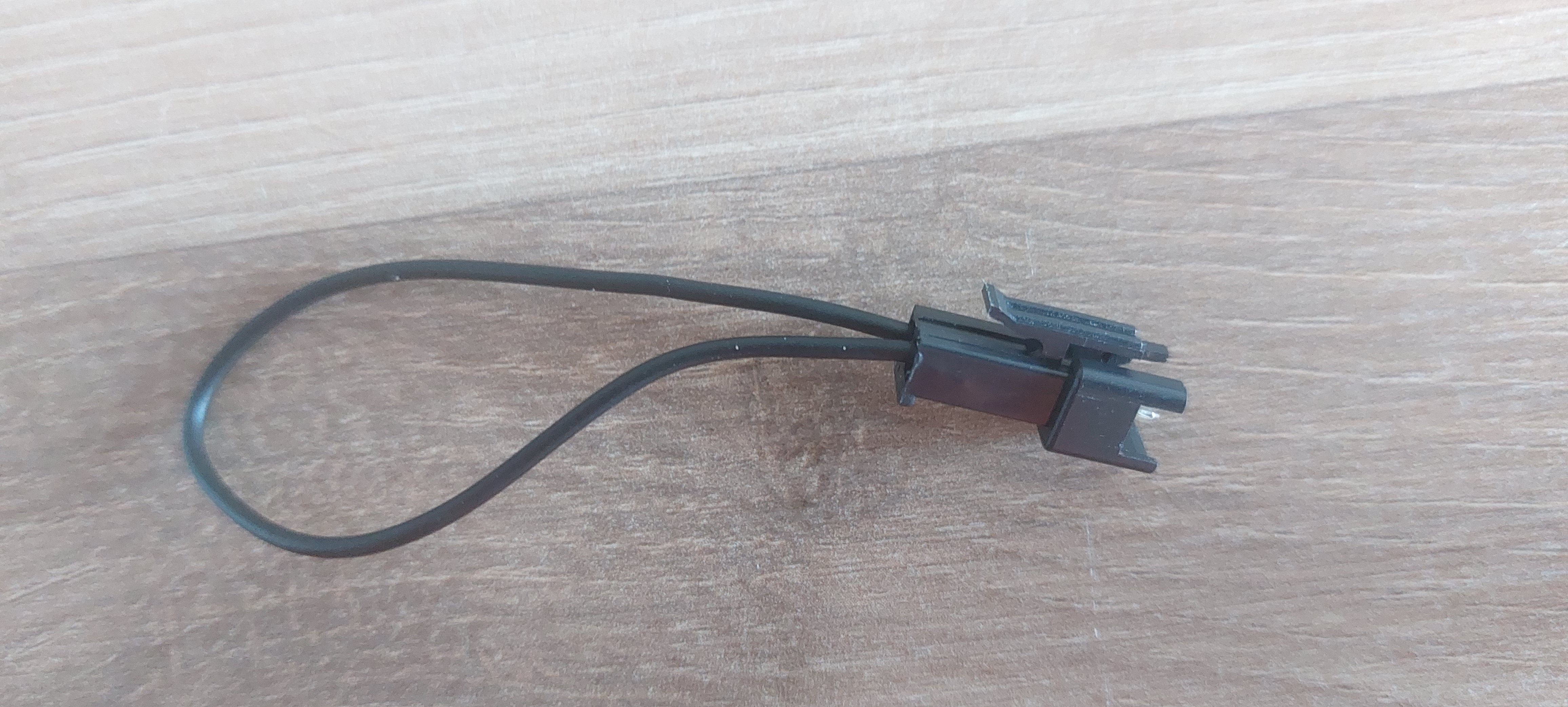
Again — the police will lift the back wheel, hit the throttle, and check the behaviour.
If the speed limiter’s working and the wheel stays within legal speed, you’re far less likely to have it confiscated on the spot.
Yes, you might still get a warning or a fine — especially if you’ve got a throttle or other grey area components.
But a capped motor that looks compliant is miles better than one that screams “illegal.”
This Is Just the Beginning
You and I both know how much work the government’s put into these new regulations. I’m living it every day, trying to get a bike legally approved for road use — and it’s a nightmare of red tape.
They didn’t write these rules to sit on a shelf. They did it to enforce them. And now they are — starting with Birmingham and London.
Fires, Faulty Wiring, and Cheap Conversions
It’s not just about speed or legality. There’s also a serious fire risk with cheap e‑bike conversions. As pointed out in another BBC report, inferior batteries and DIY setups are literally catching fire — and that’s before they even enter legal trouble.
Read the fire hazard report here
So yes, there’s moral outrage to feel. But there’s also a real, physical risk in sticking with a cheap conversion — and one you’ll pay for twice: once from the law, and once from damage you can’t see coming.
I Get the Anger — But It Won’t Stop Them
Now look — I don’t agree with what the police or the government are doing here.
The same people bombing civilians abroad are now policing delivery riders because of “too much speed”? Spare me.
It’s tempting to say “Sod the system.”
But that system works — even when it’s a mess.
And when it grabs your handlebars and fines you, or worse, crushes your bike? You won’t be flipping them the bird. You’ll be begging for a ride.
That’s Why I Started Warrior Cycles
Because it’s not just that these cheap e‑bike conversions can burn down your shed.
It’s that they can get taken away in a heartbeat — and leave you with nothing.
A proper, road-legal setup might cost more up front — yes. But it protects you from two disasters: a blazing battery and legal crash.
The crackdown isn’t slowing down. It’s gaining speed.
If you’re serious about doing it right, check out what we’re building at Warrior Cycles.
Because once that clamp goes on your back wheel — or the fire starts — or they crush it —
It’s too late.
⚡ Want updates from the garage?
Follow the build. See if it passes. Get updates straight from the workshop.
Follow the ProjectSupport the message? Share it.
One link. One friend. One moment.


