
🐾 Why I Cook for My Giant Cat At Home – And Save A Small Fortune In The Process
I lost Ellie last year — my beautiful old dog, my best mate. Toward the end of her life, I’m convinced the home-cooked meals I gave her extended her time here. Proper food, made with care, not scooped out of a tin like you’re fuelling a robot. She deserved that, and she thrived on it.
I was devastated when she died. I couldn’t even consider the thought of another pet, so had no plans to adopt another. Ellie, my best mate for 14 years, was irreplaceable.
Then a few months ago, a big scruffy Maine Coon cat turned up at my flat like he owned the place. Just wandered in like, “Right, this’ll do.”
He was in a bit of a state. Full of fleas, fur so thin you could see the skin on his back. He also had digestive issues — diarrhoea, clearly uncomfortable — and I found out his owner had left the country. I’m not the kind of person who sees that and turns away.
So I decided to help.
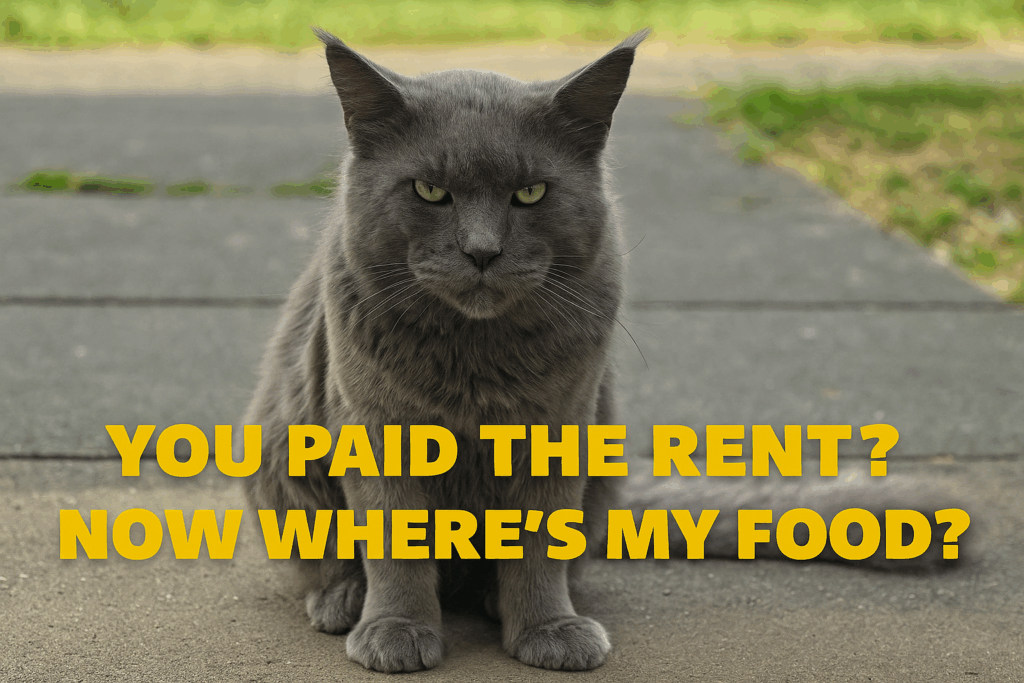
I did all the research I could. I worked out the best diet he could possibly eat — not just the best for him, but something that also told him, in the only language I’ve got, I care about you, mate. Even if he just looks at me with that classic cat face afterward that says, “Yeah, it’s nice, but what do you want? A Blue Peter badge? And have you paid the rent yet?”
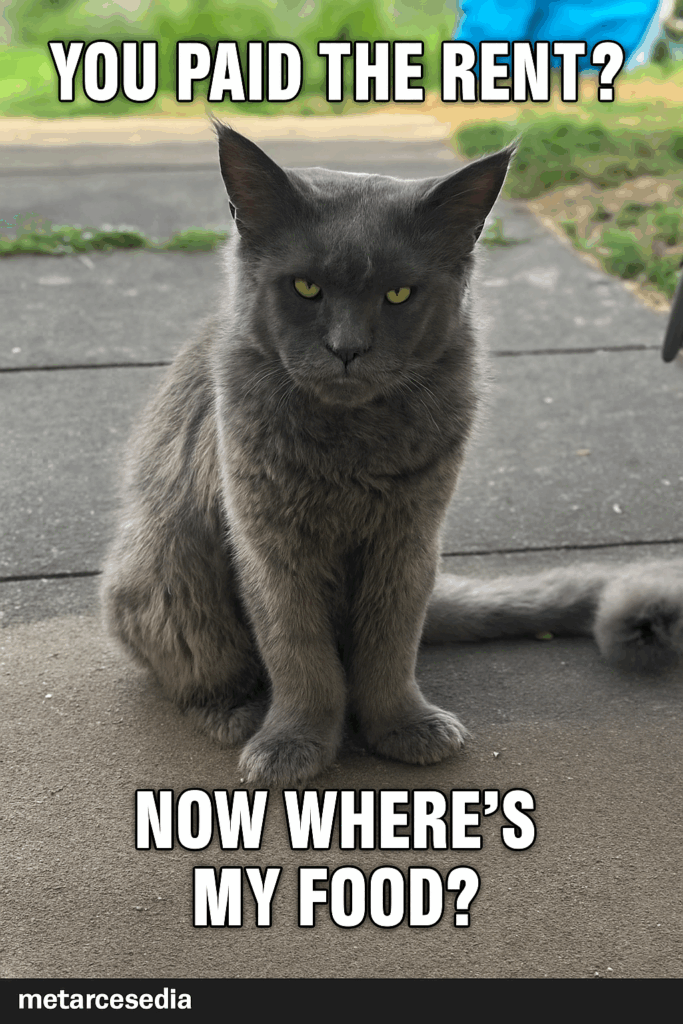
He’s a complete asshole, to be honest. Like most cats are. But he’s mine now. I love him to bits. And I feed him like he’s royalty.
🍗 What He Eats (and Why It Works)
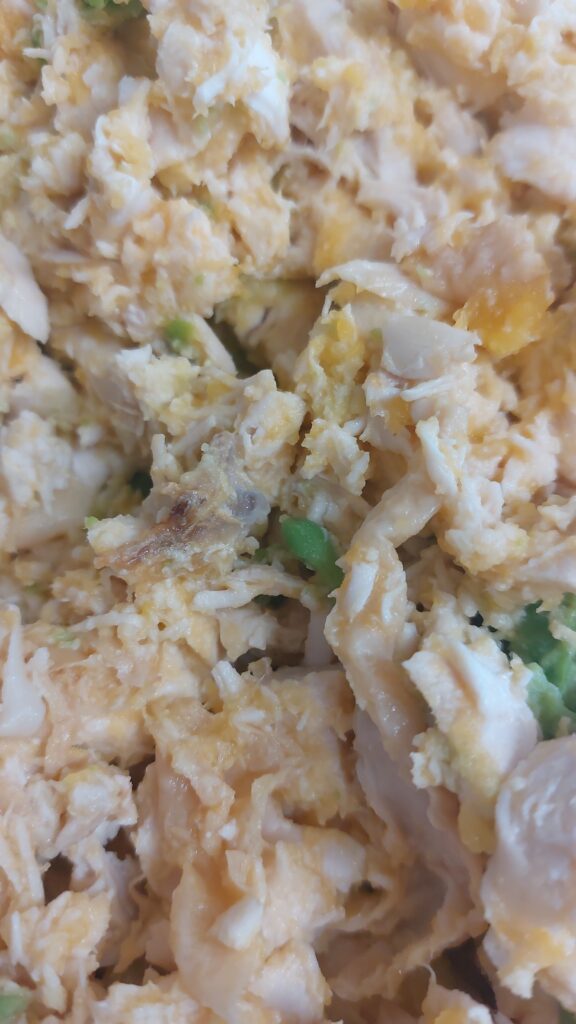
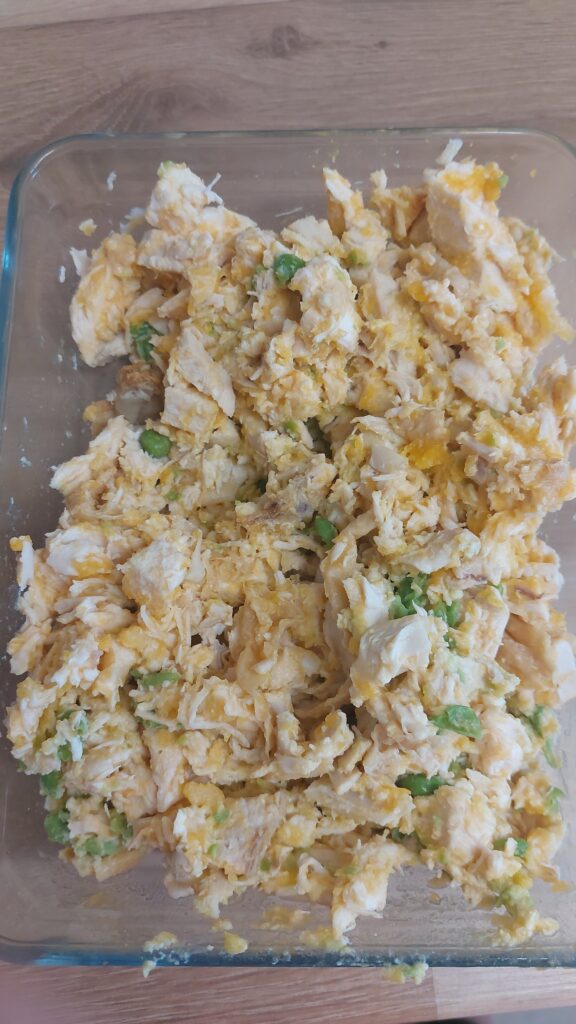
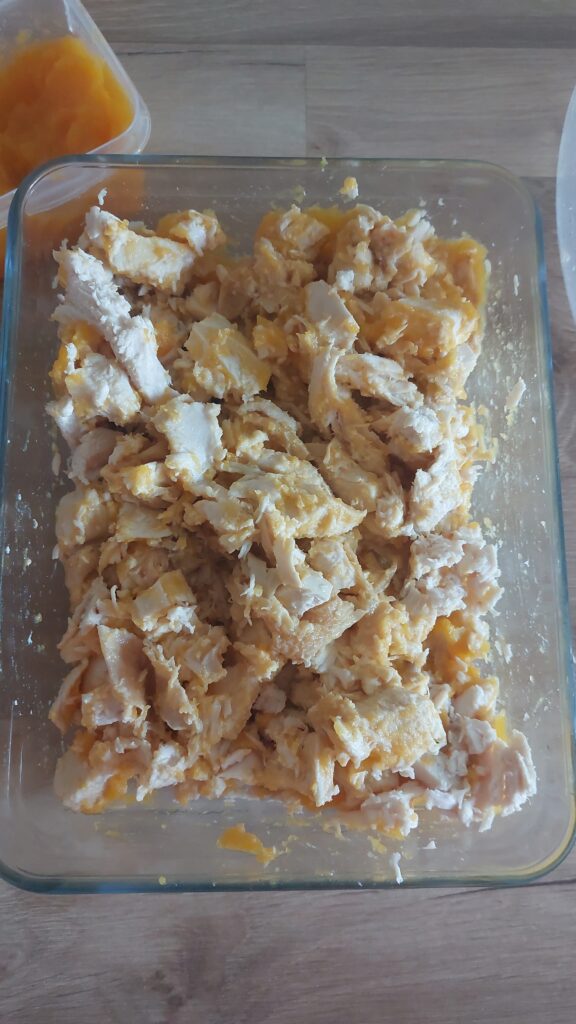
Most days, he gets either chicken or turkey as the main protein — whichever’s cheapest or easiest to batch cook at the time. I strip the meat from the bone after roasting or boiling it and mix it with a few extras: a small amount of mashed butternut squash, a boiled egg yolk every few days, and a couple of cubes of homemade chicken broth that I freeze ahead of time. The peas go in too sometimes, mashed so he can digest them properly, and I portion the whole thing into daily servings of about 140 grams.
I’m not reinventing the wheel — I’m just feeding him real food. Meat, veg, broth, yolk. The kind of stuff your nan would recognise as ingredients.
Why I Feed Him That
The chicken and turkey provide high-quality, easily digestible animal protein, essential for muscle repair, coat health, and overall energy. They’re naturally low in fat but packed with key amino acids like taurine — which cats can’t produce themselves and absolutely need to survive.
The butternut squash adds gentle fibre that helps with digestion and firms up his stools (especially useful early on when he had bowel issues). Egg yolks are a powerhouse — full of healthy fats, B vitamins, iron, choline, and biotin, which supports his skin and fur. And the broth? I call that “liquid gold.” It’s rich in collagen, gelatin, trace minerals, and hydration — it helps joints, keeps him interested in his food, and ensures he’s not just licking water off dry meat.
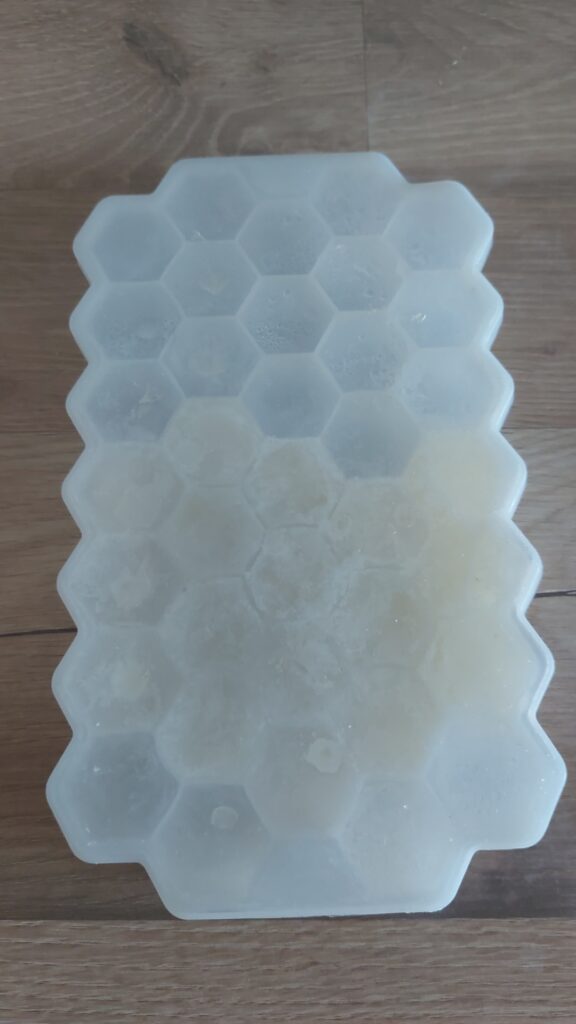
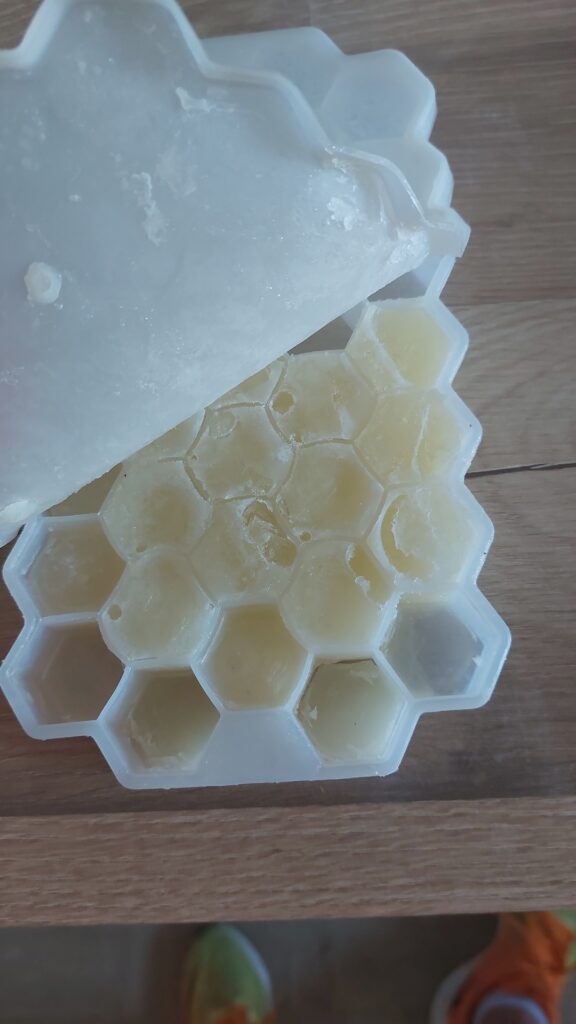
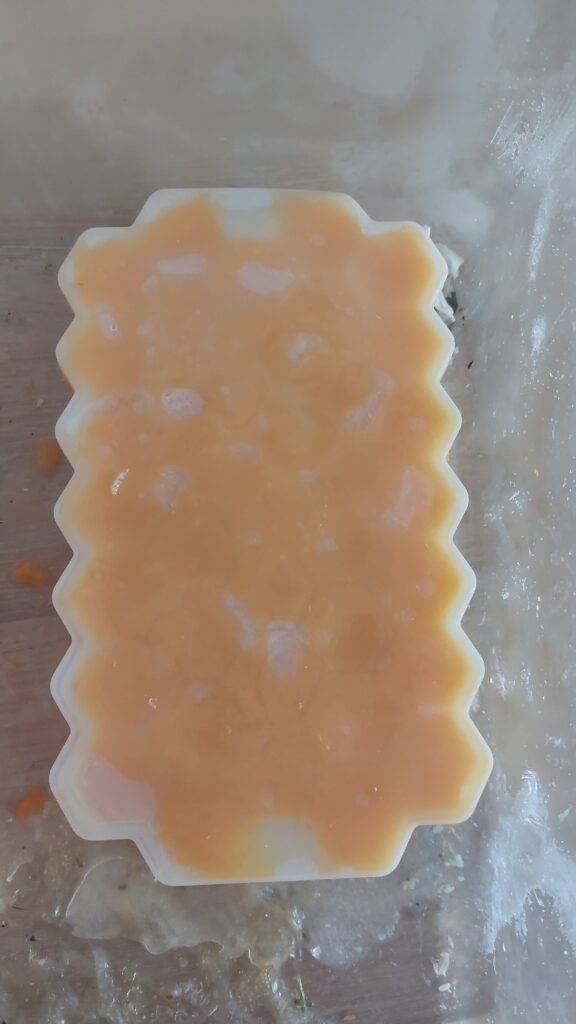
Butternut Squash is steamed and frozen once every 3 weeks. Steaming takes 20 minutes or so until soft then 20 seconds in the blender. The broth is made just once every 4-6 weeks. Made from the carcass of a chicken boiled/simmered for about 4-6 hours. I’ll keep 5 days worth in the fridge and freeze the rest in ice cube trays the same as done with the squash. It’s not hard.
Altogether, it’s a balanced, natural mix that covers his needs without fillers, chemicals, or processed nonsense — just nutrient-rich ingredients a cat’s body is built to thrive on.
💸 The Costs Compared
Here’s one batch I just made:
- 1 whole chicken crown: £3.33
- A handful of frozen peas: £0.10
- 2 egg yolks (hard boiled – no whites): £0.20
- 5-8 cubes of homemade butternut squash purée: £0.40
- 5-8 cubes of homemade broth: £0.20
- Estimated electricity: £0.25
Total cost for 5 days of food: £4.48
Cost per day: £0.90
Cost per meal: £0.45
That’s less than a quid a day. And it’s better quality food than most people feed themselves.
But that’s for my 8 to 9 kilogram lion.
An average cat in the UK weighs between 4 and 6 kilograms, and fed the same way, they’d only need around 100 to 120 grams per day.
That means seven days of food from the same batch I just made.
So let’s run the same numbers again, this time over seven days:
- 1 whole chicken crown: £3.33
- A handful of frozen peas: £0.10
- 2 egg yolks: £0.20
- Butternut squash purée: £0.40
- Chicken broth: £0.20
- Electricity: £0.25
Total cost for 7 days of food: £4.48
Cost per day: £0.64
Cost per meal: £0.32
Still think bargain basement cat food is a bargain?
🏭 The Pet Food Aisle Is a Lie
Here’s something most people don’t realise: 90% of the pet food in UK supermarkets is owned by just two companies — Nestlé and Mars.
Yes, that Nestlé. The one accused of:
- Stealing water from drought-hit communities
- Using child labour in their cocoa supply chain
- Undermining breastfeeding in the Global South
- And generally being one of the most unethical corporations on the planet
And Mars? They make chocolate bars. Poisonous for dogs. And now it seems they make poison for your cat, too.
Between them, they own nearly every brand you see:
Mars: Whiskas, Sheba, Royal Canin, Pedigree, Dreamies
Nestlé: Purina, Felix, Gourmet, Go-Cat, Winalot
They don’t make food. They make products. They use the same branding tricks they use for sweets and cereals: bright colours, buzzwords, and the illusion of choice — when it’s all coming from the same corporate factory floor.
Let’s take a look at one of the so-called “premium” brands on your supermarket shelf, and study what’s actually in it.
Purina “Gourmet Gold” is about the most premium cat food my local Morrisons sells. The packaging screams quality — it even has a White Persian on the label, not some common moggy like Felix. It’s basically the fanciest cat food Morrisons has to offer.
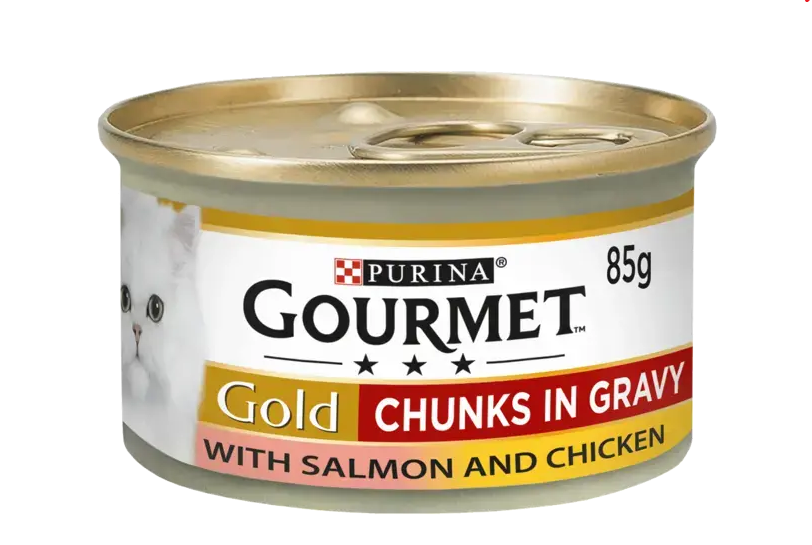
But when you buy a tin that says “Gourmet” and has a white Persian on the label, what you’re actually buying is this:
- 8% meat
- 82% water – Ever weondered why your cat doesn’t drink much?
- Derivatives
- Sugars
- Cereal filler
- Ash
Let’s not pretend this stuff is food. It’s branded slurry. And they’re charging you luxury prices for it while your cat licks the jelly off and leaves the rest to rot.
⚱️ What the Hell Is “Ash”?
One of the most common ingredients you’ll see on a tin of supermarket cat food is “ash.” Sounds like something you flick off the end of a cigarette.
It’s not. But let’s face it — it might as bloody well be.
In pet food terms, “ash” refers to the inorganic mineral content left over after the food is incinerated at 600°C. What’s left is stuff like calcium, phosphorus, magnesium — minerals that don’t burn.
Sounds scientific, but here’s the reality:
- It’s usually a by-product of cheap filler ingredients like bone meal, cartilage, hooves, and other factory-floor scraps.
- It’s used to bulk up the mineral profile on the cheap.
- Too much ash can mess with a cat’s urinary health, pH balance, and cause crystal formation — especially in males.
In other words: it’s the residue of all the crap they shouldn’t have used in the first place.
If you’re feeding your cat meals made of 4% chicken, 4% salmon, and the rest is ash, derivatives, and cereal? You’re paying premium prices for factory waste.
Compared to that? A broth cube from my own kitchen is practically Michelin-starred.
🤯Wait, how many tins a day?
According to the feeding instructions on the Purina Gourmet tins, a 4kg cat needs four of them per day. Mine’s over 9kg — so by that logic, he’d need at least six tins a day. That’s £3.00 per day, even when buying in bulk. I’m saving around £70 a month!
Compared to the £2.00 you’d spend on four tins of Purina Gourmet Gold a day for an average-sized cat, and you’re saving £1.36 per day — almost £500.00 a year!
Even with bargain-brand cat food, costing £1.50 a day, you’d be saving over £300.00 per year.
Per cat!
All that money, just to serve your cat branded slurry in a tin.
Mine gets real food, better health — and I get change from a fiver a week.
And it’s not like this takes up hours of my life either. I’m already cooking for myself — throwing in a second pan to boil up some squash or roast an extra chicken doesn’t cost me anything in time or effort. In fact, it feels good. He eats better than most humans. And I sleep better knowing I’m not pouring Nestlé’s floor sweepings into his bowl.
And consider this: My giant cat eats 140 grams a day. Why would a cat half his size need 4 tins of 85 gram Purina Gourmet Gold, that’s 340 grams a day, if it was so nutritious?
📜 What the Labels Actually Mean
Those fancy labels? Mostly loopholes.
- “With Beef” = 4% beef
- “Rich in Beef” = 14%
- “Beef” = at least 26%
But even then, “meat” can mean hooves, intestines, and cartilage. And even cheaper brands use “flavoured with” to get away with even less.
Do the math on the 522g of freshly-cooked meat in the 760g of food I prepared earlier for my Tiger. That’s 69% pure chicken.
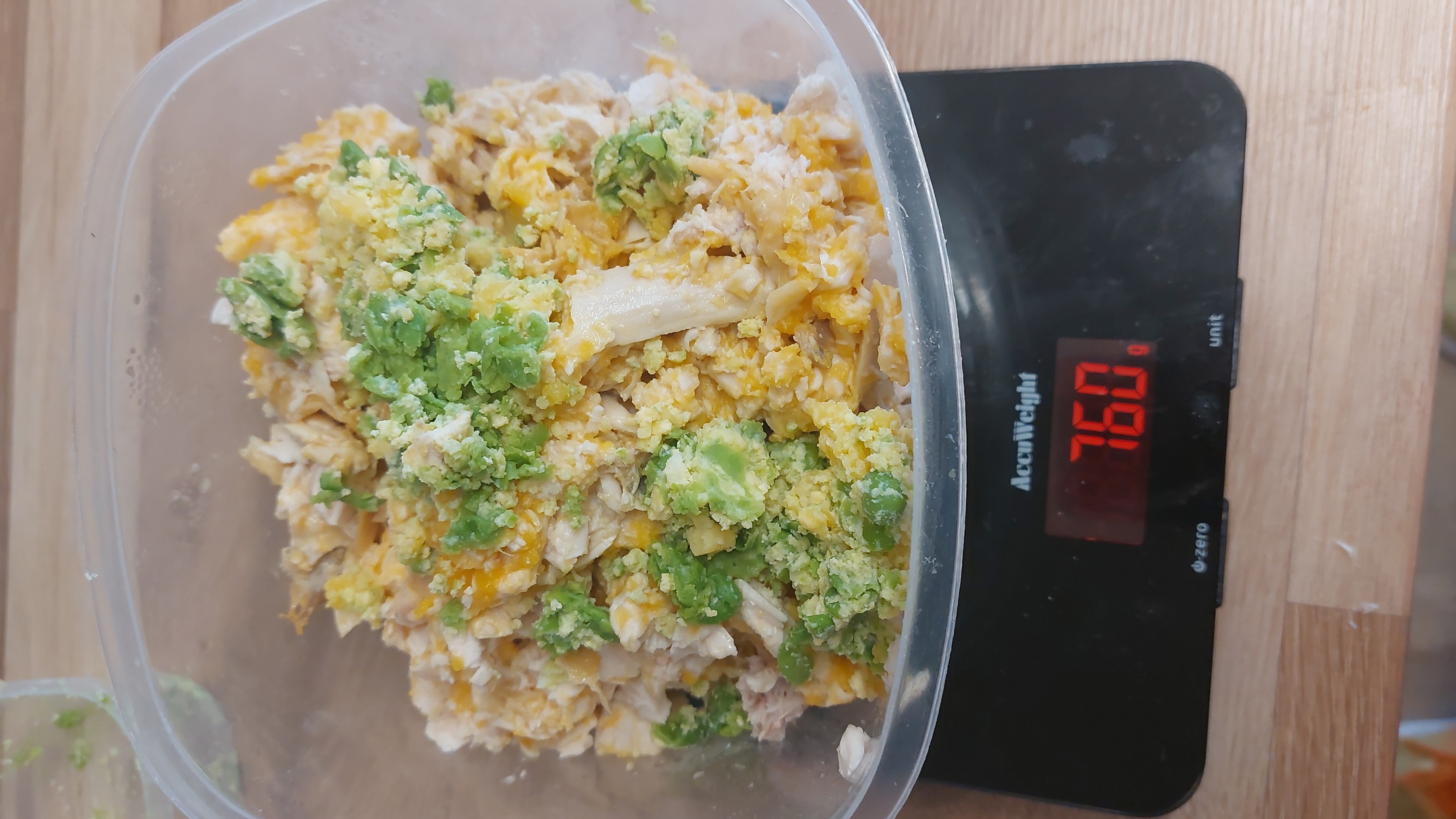
You’re looking at 522g of warm shredded chicken with 8 cubes of the squash and broth, and a handful of crushed peas and two hard boiled egg yolks on top. As it cools the frozen cubes melt, before I mix it all up and store in a vaccum-pack Pyrex dish in the fridge. Lasts up to 7 days.
IMPORTANT! – Your cat will drink more water if you feed him this way, as there’s so little in the food compared to shop-bought. Make sure he/she always has clean, fresh water, ideally somewhere away from his food bowl.
A University of Nottingham study found that many supermarket tins didn’t contain what the label claimed — with more pig DNA than the advertised meat in several cases.
Basically, if you’re feeding your pet tins from supermarket shelves, you may think you’re feeding your cat high quality beef, but the chances are you’re feeding it the lowest quality chicken, pork, scraps of unidentified shit. And if you consider I feed my cat 140g a day, compared to the 500 grams of tinned food he’d need:
You’re feeding them a LOT of shit at that.
🐱 Final Thoughts
If you love your cat — like really love them — show it in the bowl.
Don’t get mugged off by foil tins and shiny labels. You can feed them real food, save money, and not fund companies that pillage water supplies and shovel filler into a foil packet.
This food helped fix Tiger’s stomach. It made his coat shiny, boosted his energy, and stopped the litter tray looking like a biohazard. He’s healthier. I’m prouder. And it costs less.
More soon — I’ll be sharing full meal plans, freezing guides, shopping lists, and whatever else people ask for. But for now?
Cook. Mash. Freeze. Feed.
F**k Nestlé.